Botswana’s Second Open Data Innovation Challenge Crowns Winners Across Four Sectors
A Three-day innovation sprint turned Botswana’s open government data into working prototypes across tourism, health, agriculture and energy, with four track winners announced at Sunday’s Awards Ceremony
GABORONE, BOTSWANA, 16 September 2026.
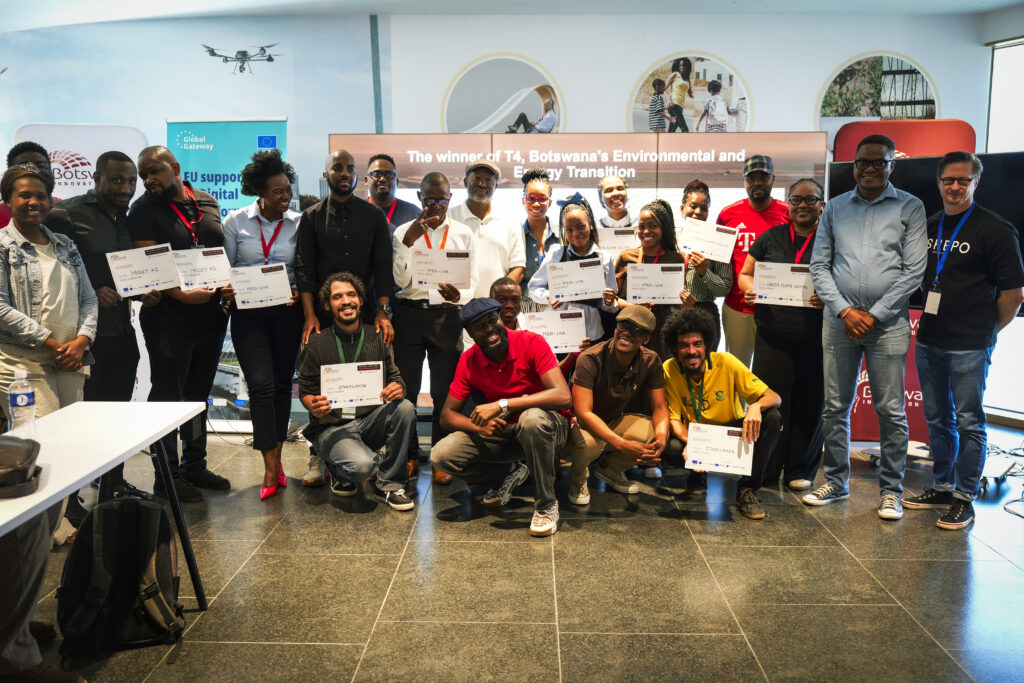
The Open Data Innovation Challenge 2 concluded at the Botswana Digital & Innovation Hub (BDIH) in Gaborone, where Otherlands, Medi-Live, Moozy AI and Green Flame Digital were named overall winners out of 24 teams that spent three days turning Botswana’s open government data into working digital solutions.
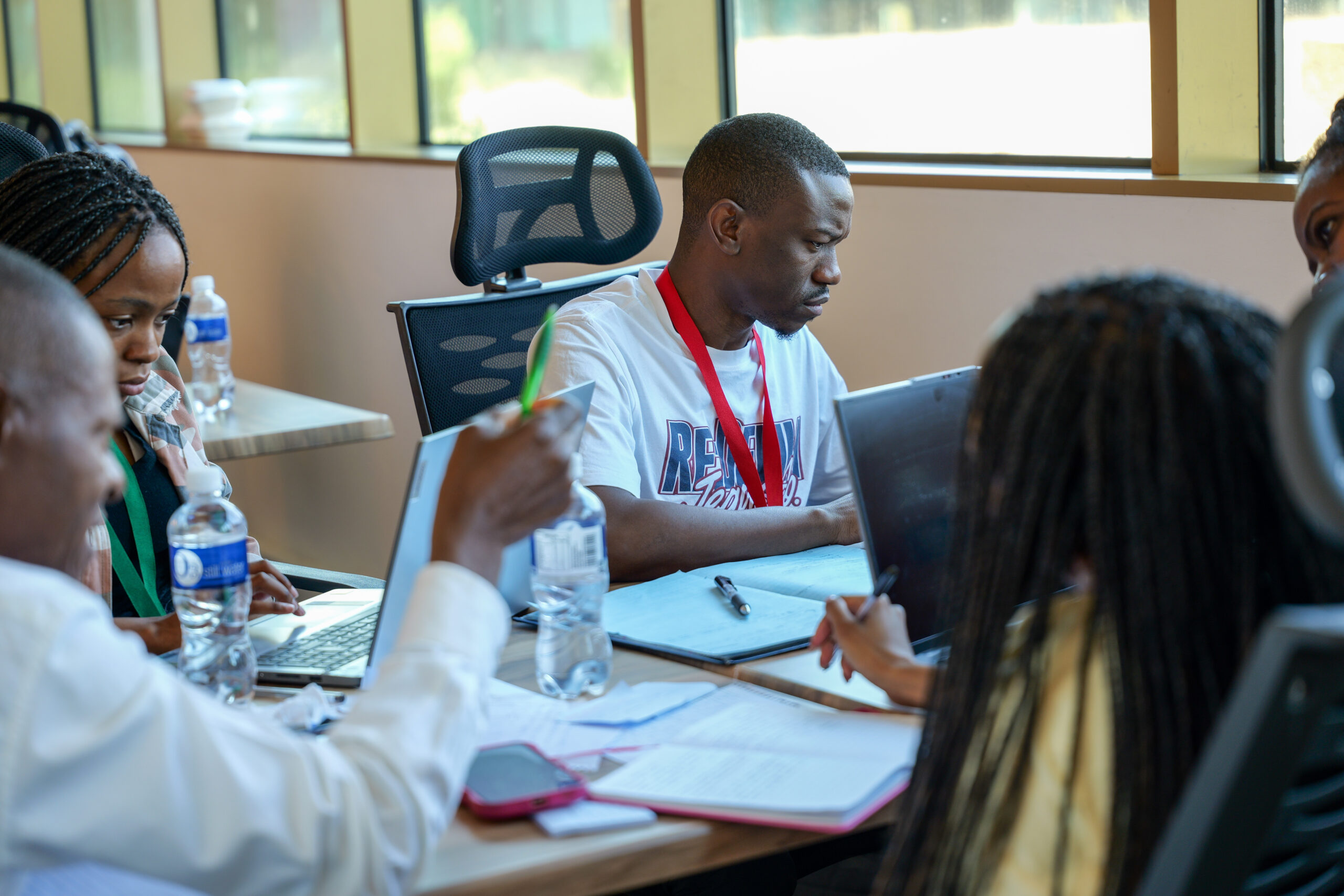
Twenty-four teams, selected from more than 270 applications, arrived at the Challenge with prototypes already tested in a lab setting while some new ideas were still at concept stage. Over three days of building, testing and mentorship, teams refined their solutions using the Challenge’s official datasets before pitching live to judging panels on the closing day, 13 September.
The Challenge was organised by BDIH as part of the third component of the EU-funded “EU Support to Digital Transformation in Botswana” project implemented by HAUS Finland. The EU Project is led by Expertise France, and implemented in partnership with ESTDEV and HAUS. The Challenge was co-funded by the Embassy of Finland in Pretoria. Statistics Botswana coordinated availing of data-sets.
This follows a first edition in March 2026 that brought together 113 participants across 27 teams and closed with three winning teams, which have now undergone a pre-incubation process.
Track Winners
Eight finalist teams, two from each track, competed in the Final Pitch before the full jury and audience. The winners are:
1.Discovering Botswana: Otherlands
Other Lands maps wildlife across Botswana’s parks, combining published occurrence records, rainfall and seasonality, and sightings logged by visitors and guides. Each area carries a confidence score per species, weighted by season and by how much data sits behind it, so travellers see “commonly reported here in July” rather than a promise. The data flows both ways. Visitors get honest guidance, and Botswana gets a continuous record of wildlife encounters and graphical images.
2. Resilient Health Systems: MediLive
MEDI-LIVE is a digital health platform designed to bridge the gap between health information, healthcare workers, and communities. The platform promotes proactive and personalised healthcare through four key pillars: prevention, disease control, self-management, and economic value.
MEDI-LIVE enables users to adopt healthier behaviours through activity tracking and AI-powered outbreak alerts, locate nearby facilities with required medicines, and manage medication adherence through dosage reminders and refill alerts. It also supports self-management by connecting with smart wearables and Continuous Glucose Monitoring (CGM) devices to monitor vital health indicators.
By combining digital health, connected devices, and intelligent alerts, MEDI-LIVE aims to improve health outcomes while reducing medicine wastage and unnecessary healthcare resource costs.
3. Climate-Resilient Agriculture: Moody AI
MARU is a climate-risk service designed to help farmers better understand and respond to weather threats affecting their crops. It combines crop-specific weather intelligence with timely alerts and practical guidance delivered through AI-powered, two-way
MARU is a climate-risk service designed to help farmers better understand and respond to weather threats affecting their crops. It combines crop-specific weather intelligence with timely alerts and practical guidance delivered through AI-powered, two-way channels including SMS, WhatsApp and the web, allowing farmers to receive information, ask questions and get relevant support.
MARU also enables access to optional parametric insurance, where payouts can be triggered automatically when agreed weather thresholds are crossed, helping farmers move from simply receiving forecasts to anticipating, acting on and protecting against climate risk.
MARU is initially focused on crop and weather-related risks, with plans to expand to other climate and agricultural risks over time.
MARU is powered by Moozy, the AI engagement and automation platform behind its intelligent, multi-channel farmer interactions. Learn more at Moozy AI.
4. Environmental and Energy Transition: Green Flame Digital
Green flame Digital builds an advisory platform in an effort to mitigate energy poverty. Their focus was on clean cooking and developing and engine that highlights household that still cook predominantly with wood and introduce them to cleaner viable alternatives within their district. For the Government, they were providing a platform for them to mobilize on mission 300 by eliminating blanket solutions and allowing them to prioritise their spending given the limited resources.
Their approach was to profile households by demographics such as income level, members per household and existing cooking methods so that we could profile them and provide the suitable clean cooking avenue with costs associated.
A Diverse Field, With Results to Match
Of the 24 accepted teams, 11 (45.8%) were led by women — though the split varied sharply by track, with all six Environmental and Energy Transition teams women-led against none of the six Resilient Health Systems teams. Organisers say the pattern, visible again at the results stage, will inform outreach for future editions.
The 24 accepted teams represented 96 registered participants drawn from across Botswana’s tech, design and domain-expert community, from developers and entrepreneurs to researchers, students and subject specialists. Women made up 56% of registered participants, and more than half were under 30.
How the Final Day Unfolded
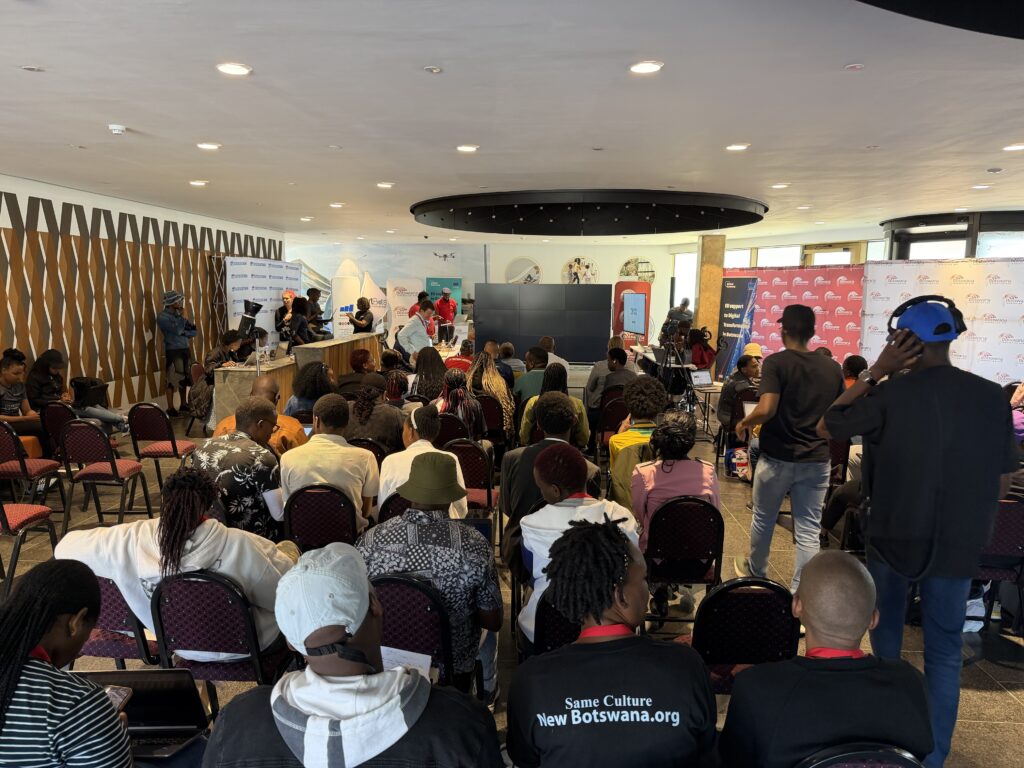
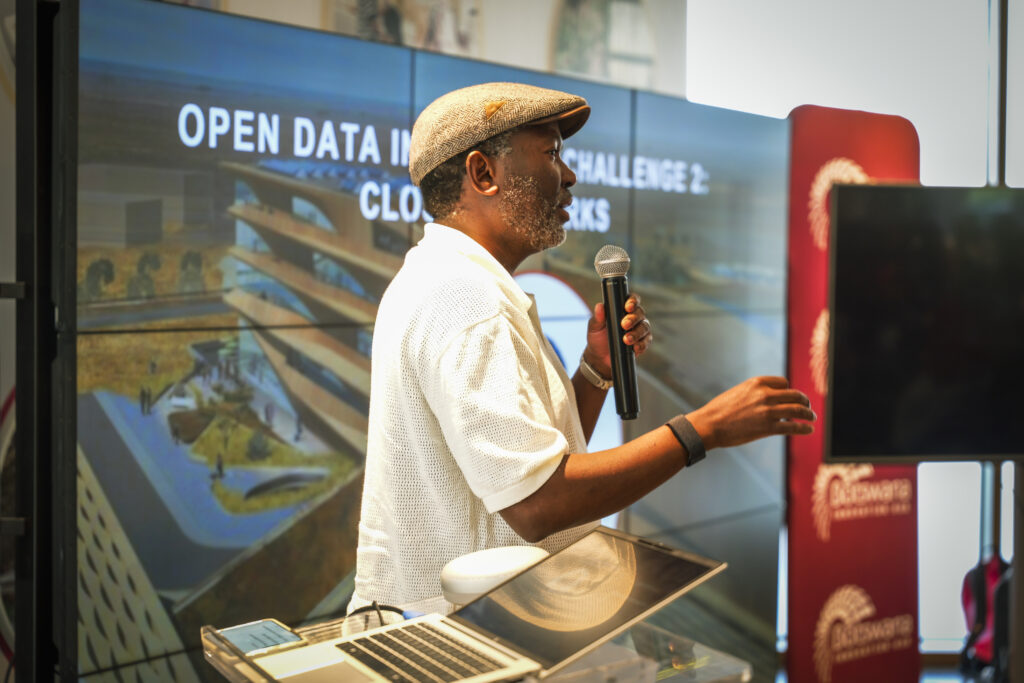
Each track’s teams pitched to a judging panel in a track-based semi-final on the morning of 13 September; the top two teams per track then advanced to a final round before the full jury and audience, from which the four track winners were selected. Non-finalist teams showcased their prototypes at open demo tables during lunch, giving mentors, judges and other participants a chance to see all 24 solutions before the Final Pitch.
Quotes
“Do not leave the challenge thinking you did not win, instead leave thinking what you will build next.”
“One of Botswana’s most underutilised assets, namely data, can be transformed into insights, and those insights into solutions that create value.” BDIH CEO – Kabo Phetlhu.
“Open data is not simply about publishing information online. Its true value chain comes when data is responsibly governed, usable in practice and connected to real needs.” SmartBots Coordinator – Stanley Makosha
What’s Next
The next steps for the winners include incubation support, further development funding and opportunities to present to the parent ministries. BDIH is building data repository to host all data sets.
About Open Data Innovation Challenge 2
Open Data Innovation Challenge 2 was delivered under the EU-funded ‘EU Support to Digital Transformation in Botswana’ project (2024–2027), with the Botswana Digital & Innovation Hub (BDIH) hosting and organising the Challenge on the ground, HAUS Finland (the Finnish Institute of Public Management) as lead implementing partner for this Challenge, Expertise France as leader of the Team Europe Initiative and ESTDEV as implementing partner of the EU Project. The event was funded by the European Union and the Embassy of Finland in Pretoria.
EU Support to Digital Transformation in Botswana is a three-year, EU-funded initiative supporting Botswana’s ambition to become a knowledge-based economy by 2036. It supports the implementation of the Government of Botswana’s SmartBots Digital Transformation Strategy and focuses on strengthening legal, regulatory, and governance frameworks, expanding inclusive digital public services, and boosting innovation and entrepreneurship, particularly for women and youth. HAUS Finnish Institute of Public Management leads the activities supporting digital innovation and entrepreneurship.
This article has been produced with the financial assistance of EU Support to Digital Transformation in Botswana project. The contents of this document are the sole responsibility of HAUS and may under no circumstances be regarded as reflecting the views of Expertise France or the European Union.