From Data to Decisions: Building Capacity for Digital Transformation
When discussing digital transformation, the conversation often focuses on technology. The discussion moves quickly from “Which kind of options do we have?” to “Who offers the best technology?” Research on digital transformation suggests that technological change is rarely a purely technology-oriented process, but rather, it is a social and cognitive transition that requires individuals to adopt new ways of working, developing, and collaborating.
Digital connectivity technologies are important, and countries globally are investing heavily in them. But the bigger challenge is often ensuring that people and institutions have the capacity to use them effectively. This is where European expertise can offer significant value.
Drawing on decades of European experience in digital governance, capacity development and institutional reform, HAUS works with partners to strengthen the skills, systems and practices needed to turn technology investments into tangible results.
Technology is only the starting point
For example, satellite imagery can help monitor environmental changes and improved digital platforms can facilitate data exchange, while cybersecurity tools can strengthen resilience against growing digital threats. Across Europe, public institutions, companies, and industry have developed a wide range of technologies, expertise, and good practices that can support these efforts. Yet technology alone is not enough. Technologies become truly valuable only when people know how to use them and are empowered to do so.
The issue is not necessarily a lack of data or digital tools. Rather, the challenge is how to integrate them into everyday decision-making, planning processes, and public service delivery. This is why digital transformation is ultimately as much a human and institutional challenge as it is a technological one.
What does European expertise offer?
Across Europe, public administrations have spent decades learning how to manage change, build digital services, strengthen institutions and make better use of data. This journey has not always been straightforward. There have been successes, setbacks and lessons learned along the way, and that practical experience matters.
Finland and other European countries have accumulated extensive experience in using digital solutions to improve public services, strengthen resilience and support evidence-based decision-making. Although the contexts, priorities, and challenges may differ, many of the underlying questions are remarkably similar.
How can data be shared effectively between organizations? How can new technologies be integrated into existing processes? How can organizations encourage people to adopt new ways of working? How can governments ensure that investments in digitalization deliver real benefits to citizens?
The value of European expertise therefore lies not only in technology, but also in the practical experience of implementing change. It is about understanding how digital transformation can be embedded in institutions, processes, and everyday ways of working.
Learning from each other
One aspect of international cooperation is the opportunity for peer-to-peer learning. Conversations quickly move beyond theory and focus on practical questions, for example, what worked and what did not.
For Finland, international cooperation is also a two-way process. While European experiences can provide useful insights, we also learn from our partners. Working with other institutions offers valuable perspectives on innovation, resilience, and the adaptation of digital solutions in a rapidly evolving environment. The most effective partnerships are built on mutual learning and shared problem-solving.
Sustainable results rarely come from importing a model from elsewhere. They come from adapting ideas and experiences to local realities. This is equally true in digital transformation.
Investing in people
A new platform can be purchased, and a network can be built, but neither will reach its full potential without people who have the skills, confidence and opportunity to use them effectively.
This is why capacity development remains at the heart of successful digital transformation. Whether the topic is satellite data, cybersecurity, digital services, or emerging technologies, long-term impact depends on people being able to turn information into action.
And perhaps this is where European public sector expertise can make its greatest contribution. Not by exporting a particular model or claiming to have all the answers, but by sharing practical experience, fostering peer-to-peer learning and supporting institutions as they build their own pathways towards digital transformation.
Digital transformation does not happen in isolation. It requires collaboration, trust, and active engagement from a wide range of stakeholders. Building these relationships is often just as important as introducing new technologies.
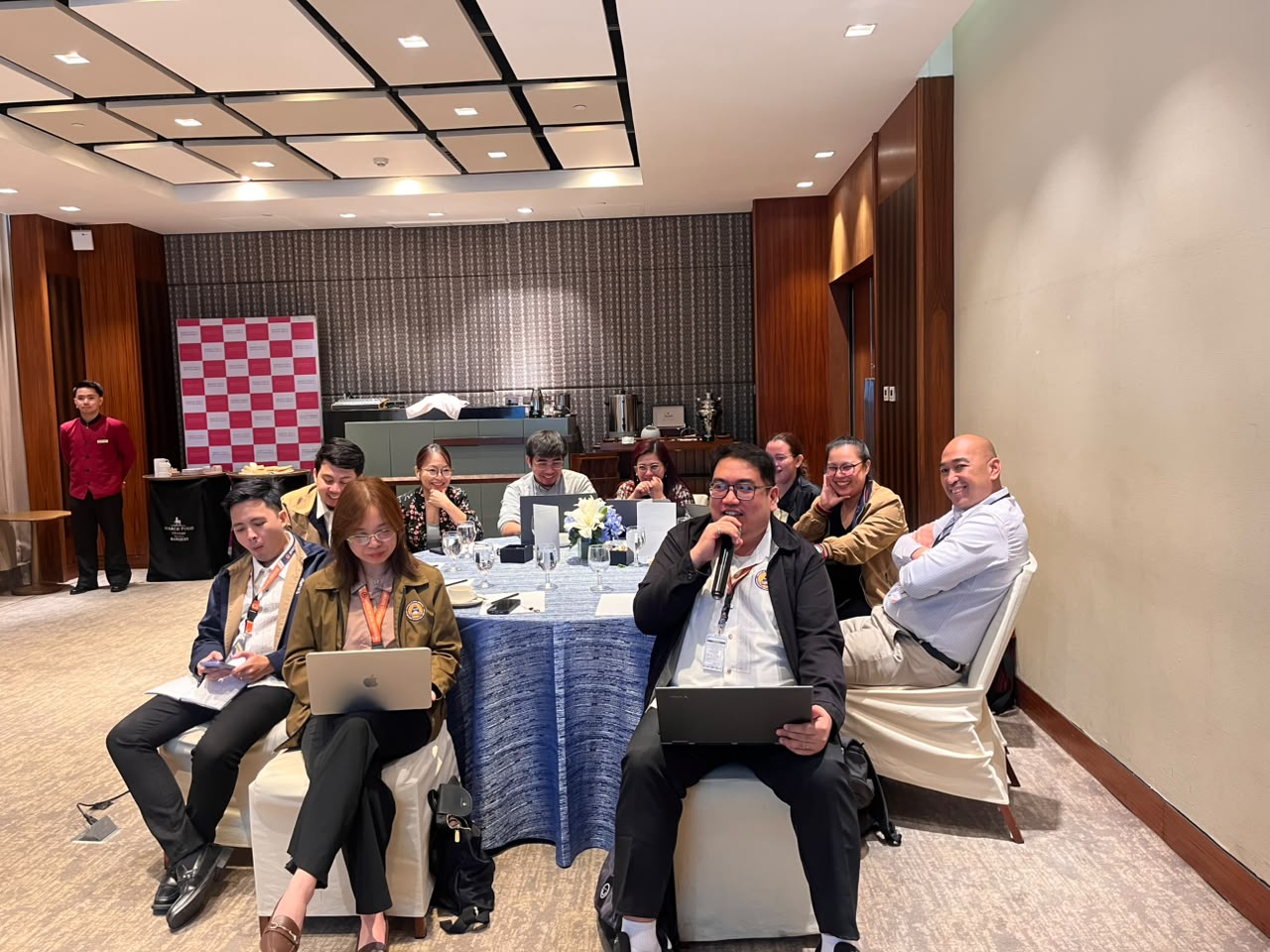
One example of this approach is the EU-PH Digital Economy Package, launched in May 2026. This flagship programme supports secure and reliable digital connectivity in the Philippines through cooperation with European partners. It promotes the use of Copernicus data for disaster preparedness, emergency response, and climate resilience, while also strengthening capacities in areas such as cybersecurity, digital services, and connectivity.